
Edge profile
Eased, bullnose, bevel, ogee, laminated or mitred. It cannot be changed after cutting.
Austin · West Lake Hills · Rollingwood · Barton Creek · Lakeway
Austin Custom Countertops is the shop behind custom countertop fabrication in Austin, TX that is built around your exact room, and Travis County's hands-on source for one-off stone work, specializing in slab selection where you approve the actual piece, laser templating off your own cabinets, and CNC cutting in our Austin shop. We offer mitred and laminated edges, polished sink and cooktop cutouts, and seams planned on screen before a single cut is made.
Request a FREE Quote!
Our team provides a cut plan drawn on a photograph of your reserved slab, delivering a countertop shaped to the walls you actually have rather than the ones on the floor plan, for kitchens, bathroom vanities, home bars and furniture pieces alike. We are licensed, insured and bonded, every top is cut and finished by our own fabricators in our own Austin shop, and the one firm written price covers every edge, cutout and seam before you approve the layout.
From a ranch kitchen where no wall is square to a walnut console that needs a quartzite top cut to the millimetre, our team handles every detail. We are serving Austin, Rollingwood, Barton Creek and Steiner Ranch, and you see the seam locations, the vein direction and the edge profile on screen before the stone ever reaches the machine.
Fabrication is everything that turns a raw slab of stone into a countertop that fits one room in one house. It starts after the free measure and ends when the finished pieces are strapped onto the truck. In between sit the decisions that decide whether a kitchen looks custom or looks assembled: which slab, which way the veining runs, where the seams fall, what the edge looks like, and how the sink opening is shaped and polished.
This page is about that shop work. The day our crew carries the finished tops into your house, sets them, bonds the seams and reconnects the plumbing has its own page, so if your questions are about tear out, cabinet prep or how long the kitchen is out of action, read what happens on install day. And if you are a remodeler or builder ordering tops for a client rather than a homeowner ordering for yourself, our trade fabrication service for builders and remodelers runs on drawings, lead times and invoicing that suit a contractor.
A countertop cannot be adjusted once it is cut. A seam in the wrong place, a vein that stops dead at a corner, an overhang that cracks: nearly every such flaw is decided at the fabrication stage. We keep that stage in house so the people who measured your kitchen are the people who cut for it.
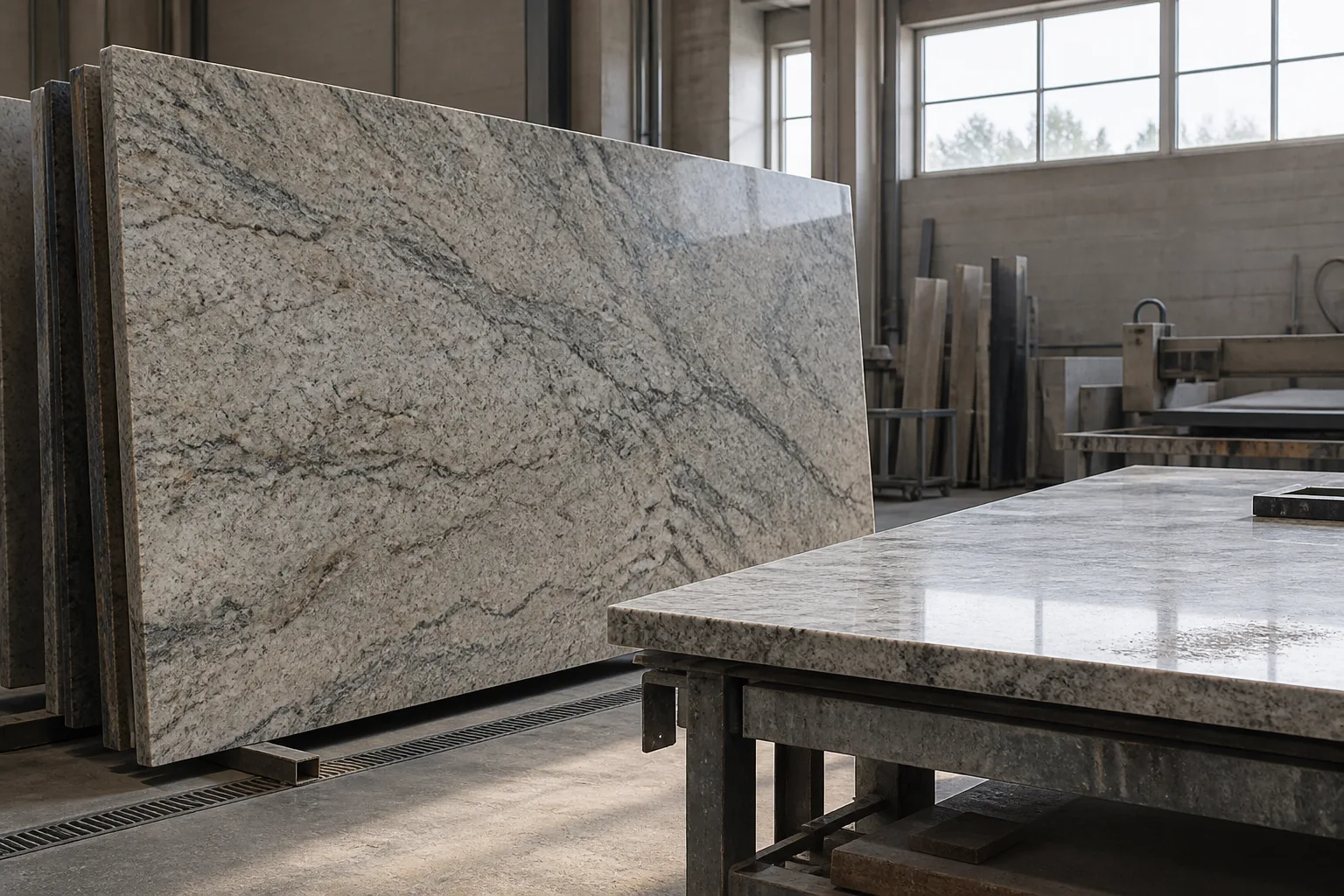
Natural stone varies from block to block and from slab to slab, so we do not fabricate from a sample. You either walk the slab yard with us or approve high resolution photographs of the specific slabs we reserve for you. Once a slab is tagged with your name it is not sold to anyone else.
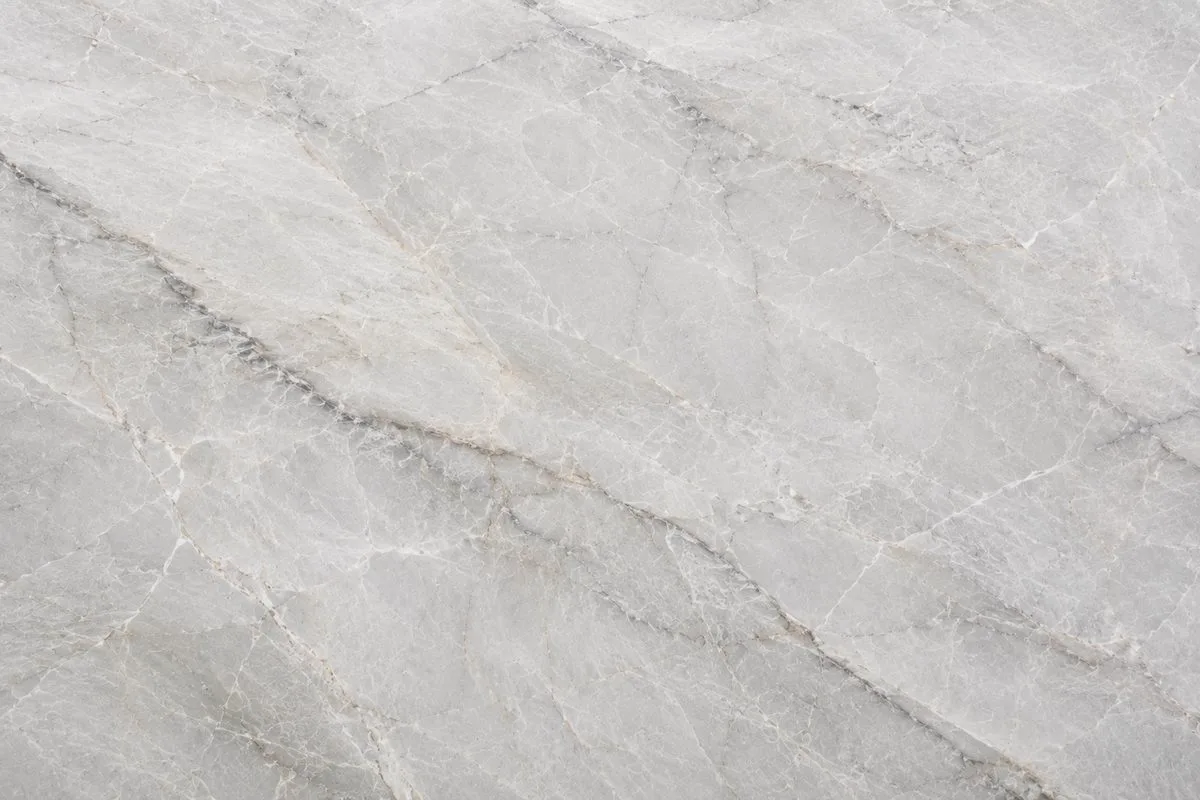
We then lay the template over a photograph of that slab on screen. You can slide the island piece to catch the strongest movement, keep a dark mineral cluster out of the middle of the sink run, or make sure the vein on a waterfall leg continues from the top. On a quartzite with fine grey veining, like the slab pictured, the direction of the vein is a choice we make with you, not something left to how the stone happened to sit on the machine.
Engineered quartz is more predictable, but patterned colours still have a direction, and long runs still need laying out so the pattern lines up where two pieces meet. If you have not settled on a material yet, compare the stones we stock before you visit the yard, so the slab visit is about choosing a piece rather than choosing a category.
The measure is done with a laser templating system, not a tape and a plywood strip. The device records the outline of every cabinet run, wall, appliance gap and post, and produces a digital file accurate enough to cut from. That file is the drawing your countertop is built to.
Austin houses give a template plenty to record. Older ranch homes rarely have a truly square corner, and a wall can bow in or out across a ten foot run after decades of settling on clay soil. Newer homes in the subdivisions around Steiner Ranch and Lakeway often have rounded drywall corners and window returns that a straight-cut top will not sit tight against. The template captures all of it, so the stone is cut to follow the wall you have and the backsplash joint stays tight without a fat bead of caulk hiding a gap.
The template is also where the appliance details are fixed. We record the make and model of your sink, faucet, cooktop or range and any soap dispenser or air gap, and draw each opening from the manufacturer's cutout specification. Overhangs are set here too: the standard front overhang, the seating overhang on an island or bar, and any place an overhang needs a bracket or corbel underneath because the stone should not carry it alone.
Once you sign off the layout, the cut file goes to the CNC in our Austin shop. The machine cuts the outline, profiles the edges, routes the sink and cooktop openings and cores the faucet holes from one program, which is why a profile is identical at every corner and every return. Nothing is cut by hand with a grinder in your driveway.
All of our cutting is done wet. Stone dust contains crystalline silica, and engineered quartz contains far more of it than most natural stones. Breathing fine silica dust causes silicosis, and OSHA regulates respirable crystalline silica exposure in fabrication shops for exactly that reason. Water at the blade and the bit keeps the dust down in the shop, and doing all the cutting there means no stone dust is made inside your house. Cutting in house also means we never wait in someone else's queue, so the fabrication window we commit when you sign is one we control.
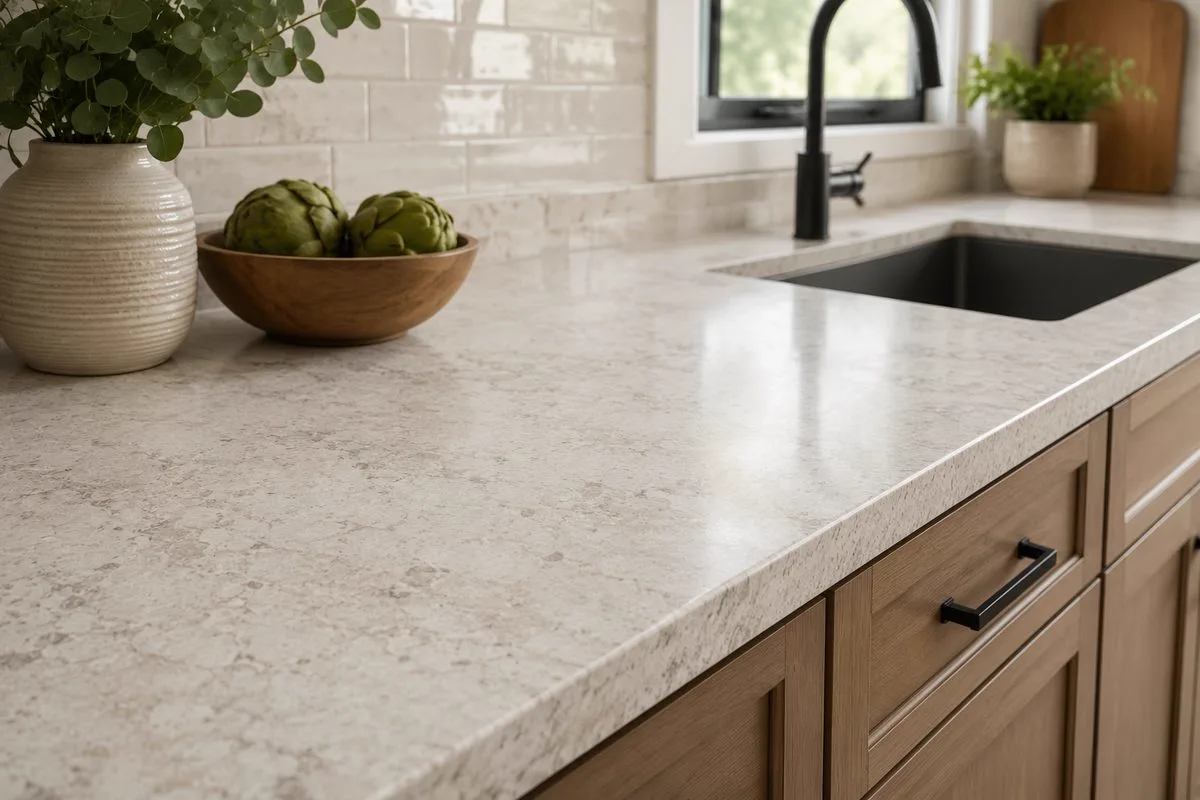
The edge is the part of a countertop you touch most and see side on every time you walk into the room, so it is worth choosing properly. A plain eased edge, a small radius on a square edge, is the easiest to live with: it resists chipping, it wipes clean and it suits almost any style. A full bullnose softens the look and is kinder to hips and small children. Bevels and ogees read more traditional and take more passes and more hand polishing.
Slabs usually come in 2 cm and 3 cm, and a 3 cm top can be profiled straight from the slab. For an edge that looks heavier than the slab, there are two ways to build it, and they are not the same.
A laminated edge bonds a strip of the same stone under the front edge, then profiles the two pieces together so they read as one thick piece. It is strong and works well with an eased or bullnose profile, but on a strongly veined stone you can see where the strip begins. A mitred edge cuts the top and a separate apron piece at 45 degrees and joins them with colour matched adhesive, so the veining wraps over the corner and down the face without a visible line. Mitring takes more stone, more machine time and more hand finishing, and it is the same technique we use for islands where the stone drops to the floor. For a dramatic slab, a mitred edge is what makes a top read as a solid block.
An undermount sink opening is a visible, touched, finished edge, so we cut it on the CNC and polish it to the same finish as the front of the countertop. You choose the reveal: a positive reveal leaves a narrow lip of sink showing around the opening, a negative reveal lets the stone overhang the bowl slightly, and a zero reveal lines the stone up with the sink wall. We will tell you which suits your sink.
Cooktop and range openings are the weak point of any stone top, because they leave narrow strips of stone at the front and back. We radius the inside corners of every opening rather than leaving sharp ones, since a sharp inside corner is where a crack starts. Where the remaining strip is thin we reinforce it, and we plan the layout so the cutout is never the part a piece is lifted by.
Faucet, soap dispenser, filter tap and air gap holes are cored with diamond bits at the positions on your template. If you are changing your faucet as part of the project, tell us before fabrication, because a hole in stone cannot be moved later.
Most kitchens need at least one seam, because slabs come in fixed sizes and an L-shaped run or a long island will not fit on one piece. The goal is not to avoid seams at any cost. It is to put them where the eye does not land and the stone is best supported.
We draw the seams on the layout you approve, so you see them before anything is cut. A good seam sits over a cabinet partition rather than mid-span, stays clear of the sink opening, and keeps out of the line of sight from the main entrance to the kitchen. On veined stone we cut both pieces so the veins meet at the joint, which sometimes means using a less efficient part of the slab, and we tell you when that is the trade.
Seam edges are machined dead straight so the two pieces meet with the narrowest possible gap. The adhesive is tinted to that particular slab on the day the top is set, which is part of the install. What fabrication controls is the fit, and a seam that fits cleanly in the shop is a seam you barely find with your finger at home.
Custom fabrication is not only for kitchens. A bathroom vanity top with a vessel or undermount bowl, a tub deck, a shower bench and a niche shelf all come off the same machine. So do the pieces that do not fit a standard category: a home bar with a raised top over a lower working surface, a built-in desk in a home office, a window seat, a fireplace hearth, a dresser or console with a stone top, or a dining tabletop cut to an exact oval.
Furniture pieces are where custom cutting earns its keep. We work from the piece itself or from the maker's drawing, and the top is cut to fit the frame exactly. Outdoor bar tops are cut here too, and for an outdoor kitchen built against Hill Country limestone, where the counter takes full Texas sun all summer, we cut natural granite or quartzite rather than engineered quartz, whose resin is not made to sit in direct sunlight.
Austin's hard water leaves white mineral spots around faucets, so on vanities and bar sinks we often suggest a honed or leathered finish on darker stones, where those spots show far less than on a high polish.
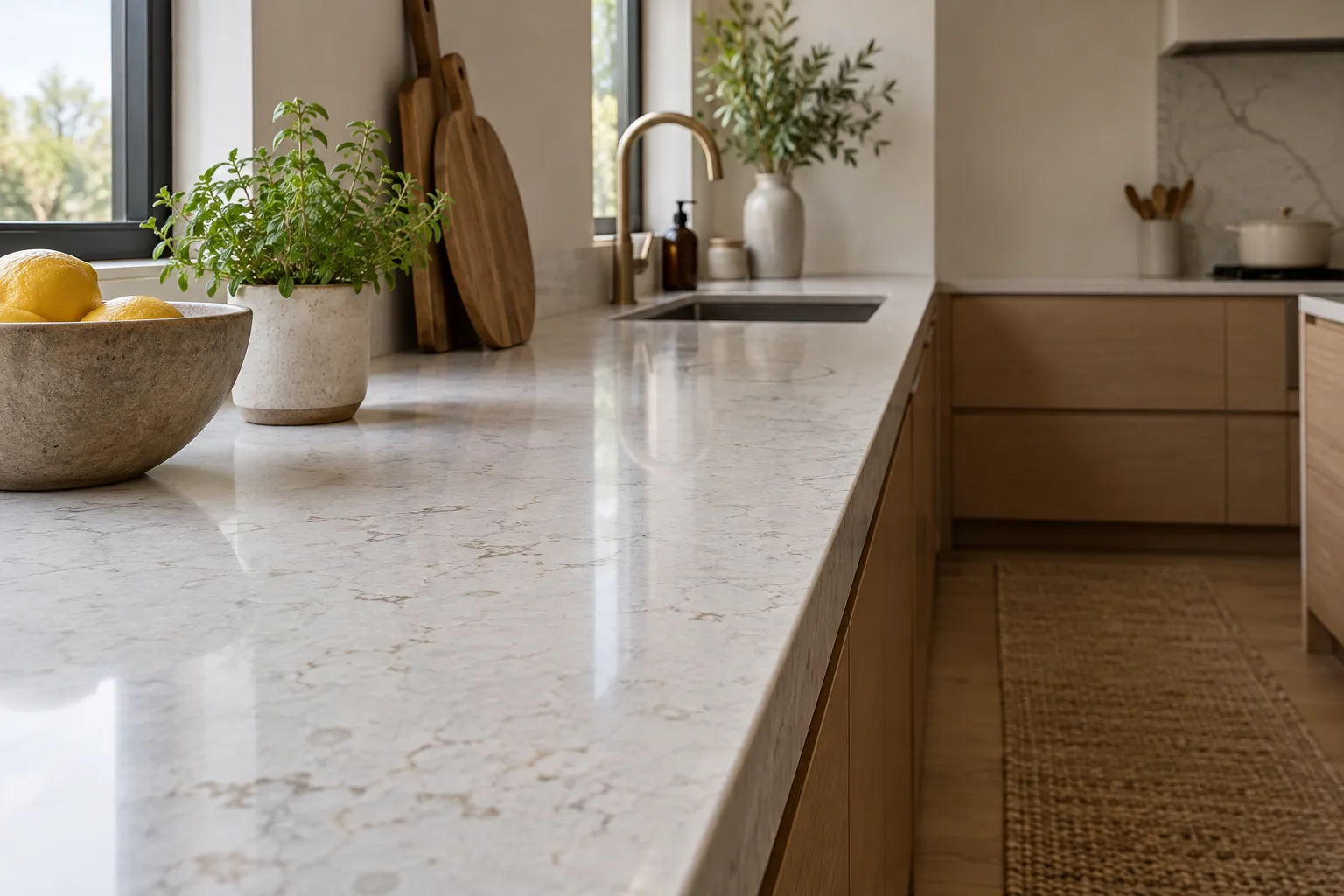
After the CNC, every piece is finished by hand. Edges are polished through finer and finer grits until they match the face of the slab, whether that is a high polish, a honed satin or a leathered texture. Underside edges at overhangs are eased so nothing catches a sleeve. Natural stone is sealed with a penetrating impregnator before it leaves, so it is protected from the first spill.
Then the pieces are inspected against the template. We check every dimension, every opening against the sink and cooktop specification sheets, the polish on every visible edge, and the vein match at every seam with the two pieces laid side by side on the bench. Anything that is not right is fixed in the shop or recut. It is far better for us to find a problem on our bench than for you to find it on your cabinets.
Finished tops then travel upright on A-frames, padded, with cutout sections braced, and arrive on the morning of your install so finished stone never sits in a garage or driveway.
Eased, bullnose, bevel, ogee, laminated or mitred. It cannot be changed after cutting.
Positive, negative or zero. It decides how the sink rim is cleaned for the life of the kitchen.
Shown on your layout before approval. Ask to move one before you sign.
Polished, honed or leathered. Polish brings out colour; the others hide water spots.
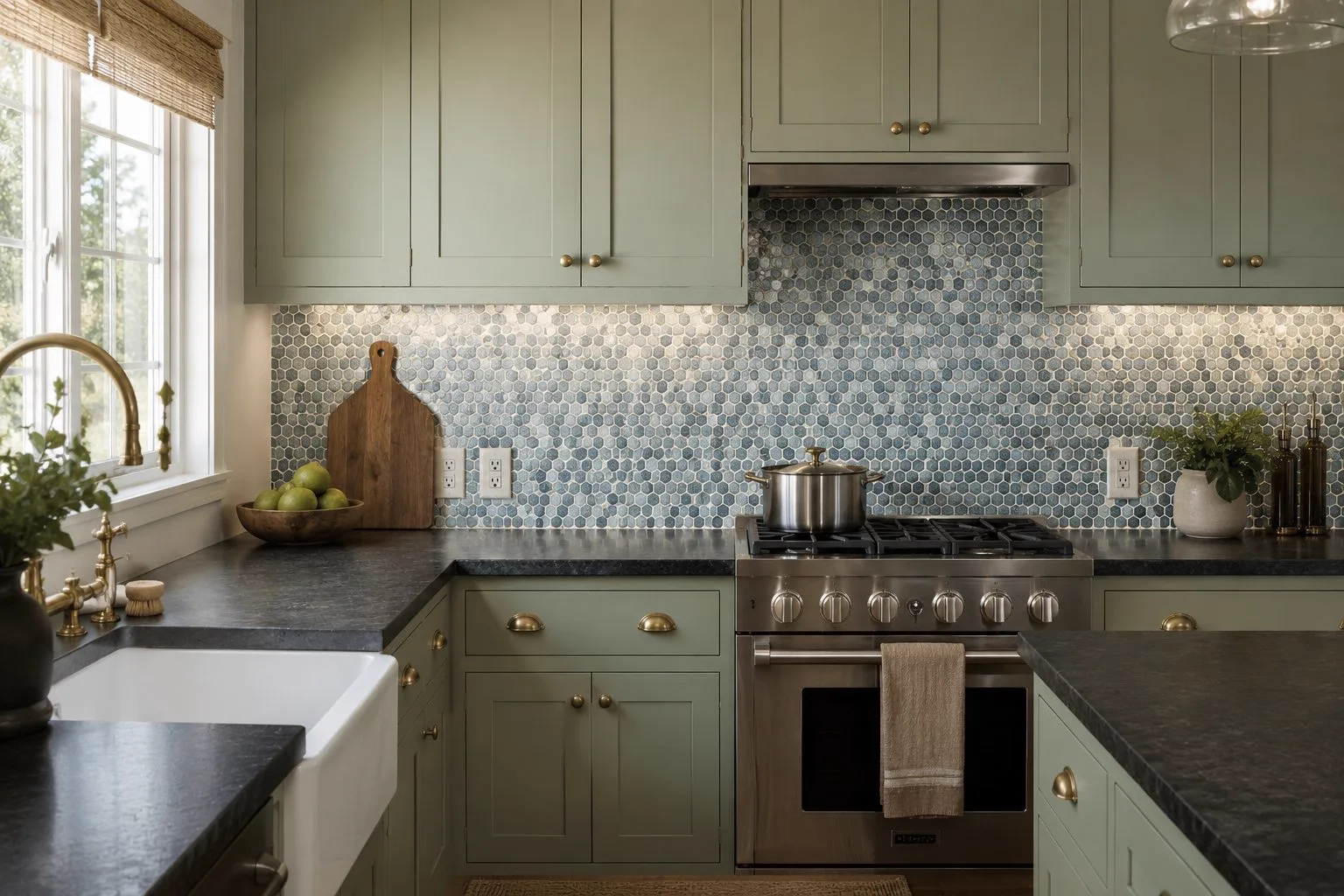
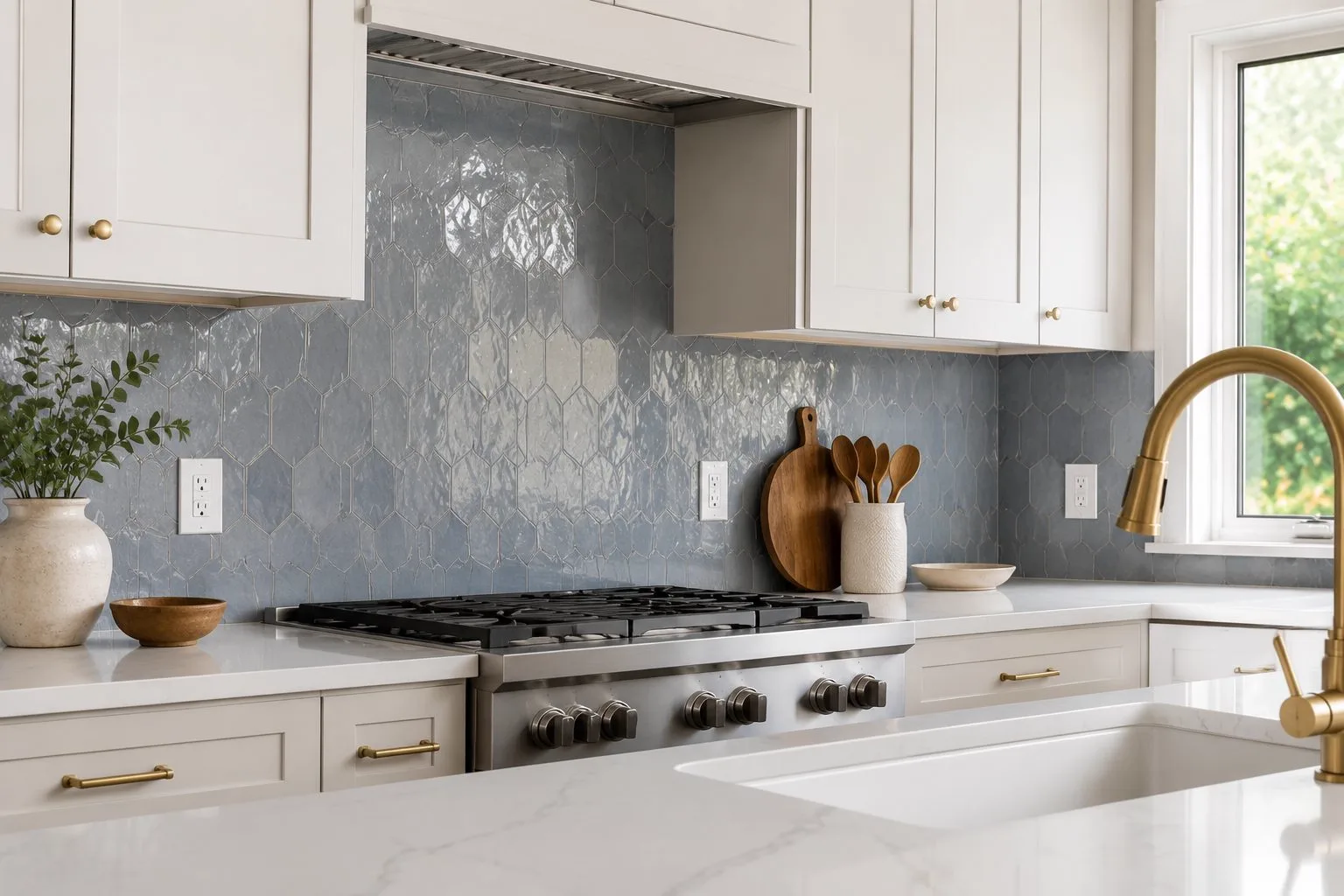
You pick and tag the actual slab, at the yard or from photographs of the pieces we reserve.
A digital template off your cabinets, walls and appliances, usually about an hour in your home.
The template laid over your slab on screen, with seams, vein direction and edges shown before you sign off.
Cut wet on our CNC, edges profiled and hand polished, cutouts finished, natural stone sealed.
Every piece checked against the template, then delivered by our crew on install morning.
Typically five to ten working days from template to finished tops, depending on the stone and how much edge work there is. A mitred edge or a stone that needs careful vein matching sits at the longer end. We give you the fabrication window in writing when you approve the layout.
Yes, and we expect you to. You either choose it in person or approve photographs of the exact slab reserved for you, and then you approve the layout with the template drawn on that slab before any cut is made.
Often, yes. We need to inspect it first for cracks, fissures and thickness, and we will tell you honestly if the slab is too small for your layout or has a flaw that would land in a visible spot. Call us before you buy, so we can check its size against your kitchen.
A laminated edge is the practical choice for a thicker look on a plain or lightly patterned stone. A mitred edge is the choice for a heavily veined stone where you want the pattern to wrap over the corner without a line. Mitring takes more stone and more shop time, and we will show you both on your layout.
No. All cutting, drilling and polishing happens wet in our Austin shop. That keeps silica dust out of your home and means the only work on site is setting, seaming and reconnecting, which happens on install day.
Tell us before fabrication starts and we will redraw the openings from the new specification. Once the stone is cut, a sink opening can sometimes be enlarged but never made smaller, and a faucet hole cannot be moved.
Free in-home measure across Austin and the Hill Country. You approve the slab, the layout and the price before we cut.
Calls only, we do not receive text messages.